Check controls and components
Some ignition, thermostat, heating-element, valve, or connection faults can be repaired when parts and condition support it.
Pioneer Plumbing Restoration
What Pioneer handles
Pioneer diagnoses water-heater problems and looks for a safe, practical repair before recommending replacement. A leaking tank, unsafe installation, poor capacity, or code issue can make replacement the better option. Call to ask about urgent scheduling.
Repair before replacement
Pioneer evaluates the failed component and the condition of the complete installation. A safe, economical repair may preserve a sound heater, while a leaking tank or unsafe setup can make replacement the responsible choice.
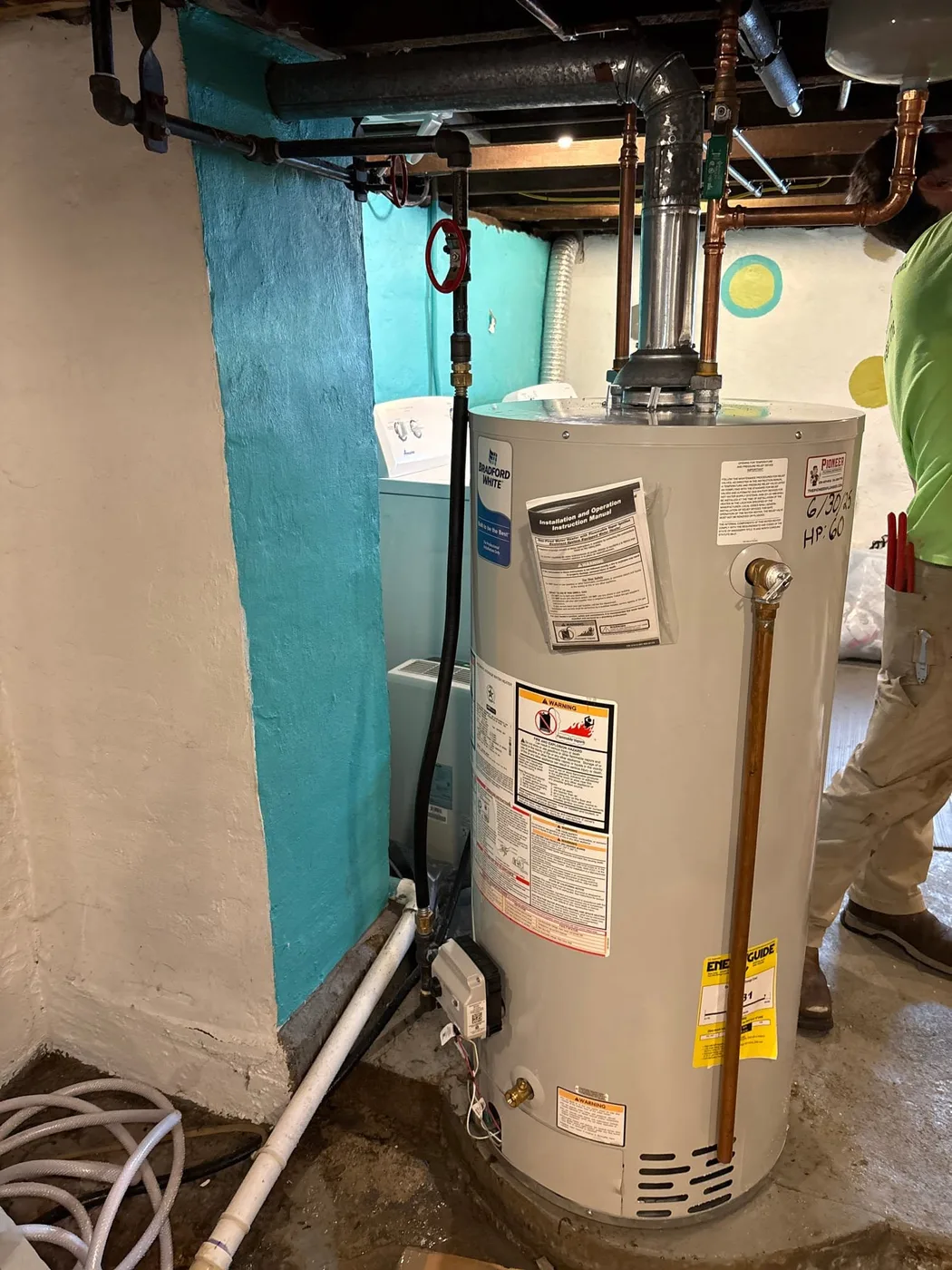
A closer look
This Pioneer installation shows why access, venting, shutoffs, connections, and the surrounding space all matter to the finished job.
Some ignition, thermostat, heating-element, valve, or connection faults can be repaired when parts and condition support it.
Active tank leakage, advanced corrosion, or repeated failures usually point beyond a durable component repair.
Age, capacity, efficiency, venting, pressure control, compatibility, and repair cost all belong in the decision.
Warranty coverage
Pioneer warranties the plumbing work it performs. The exact written term depends on the repair, installation, and equipment involved, so the coverage that applies is confirmed for the approved job.
Any coverage applies only to the water-heater work listed in the approved scope.
Ask which workmanship, part, or equipment terms apply to the water-heater scope, how long they last, and what exclusions apply.
Keep the approved water-heater scope and any written warranty or equipment documents for reference.
What Pioneer checks
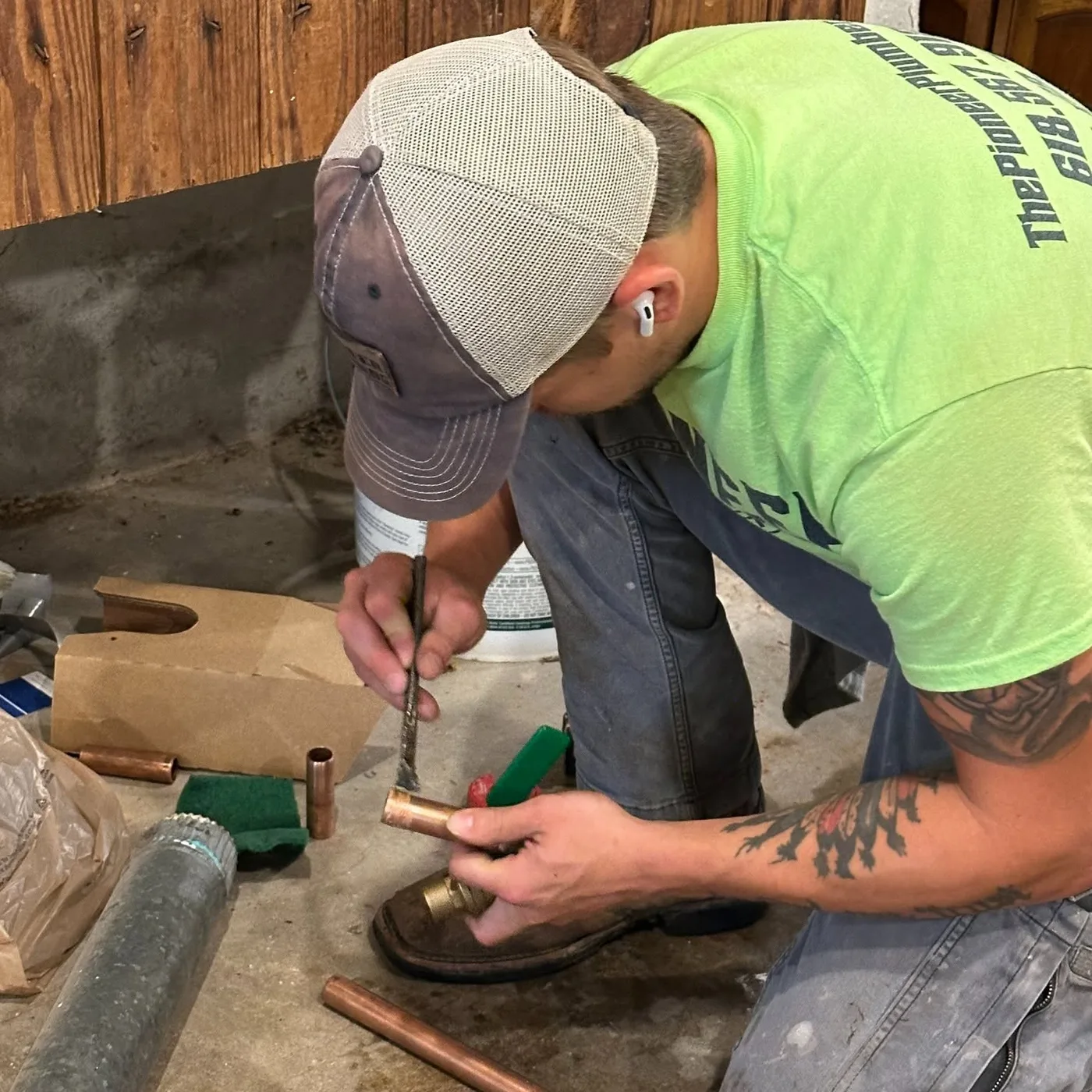
A closer look
Careful preparation helps the new connection fit the actual piping and equipment instead of forcing a one-size-fits-all setup.
Sometimes. The decision depends on the failed component, tank condition, age, leakage, venting, controls, and the cost and safety of the repair. An actively leaking tank or unsafe condition may require replacement rather than a patch.
Applicable permit, venting, combustion-air, shutoff, drain-pan, relief-valve, and pressure-control requirements vary by equipment and jurisdiction. The installation plan should match the property and current local requirements.
When heated water cannot expand back into the supply, pressure can rise in a closed plumbing system. A properly selected and maintained expansion-control device can help manage that pressure.
Leaks, corrosion, unusual sounds, inconsistent temperature, discolored water, relief-valve discharge, or repeated pilot and ignition trouble can signal a developing problem. Addressing warning signs early can reduce the chance of wider water damage or an unplanned outage.
Why code matters
Water heaters combine stored hot water, pressure, drainage, and sometimes fuel and combustion. The installation must match the equipment, property, and locally applicable requirements rather than relying on a one-size-fits-all checklist.
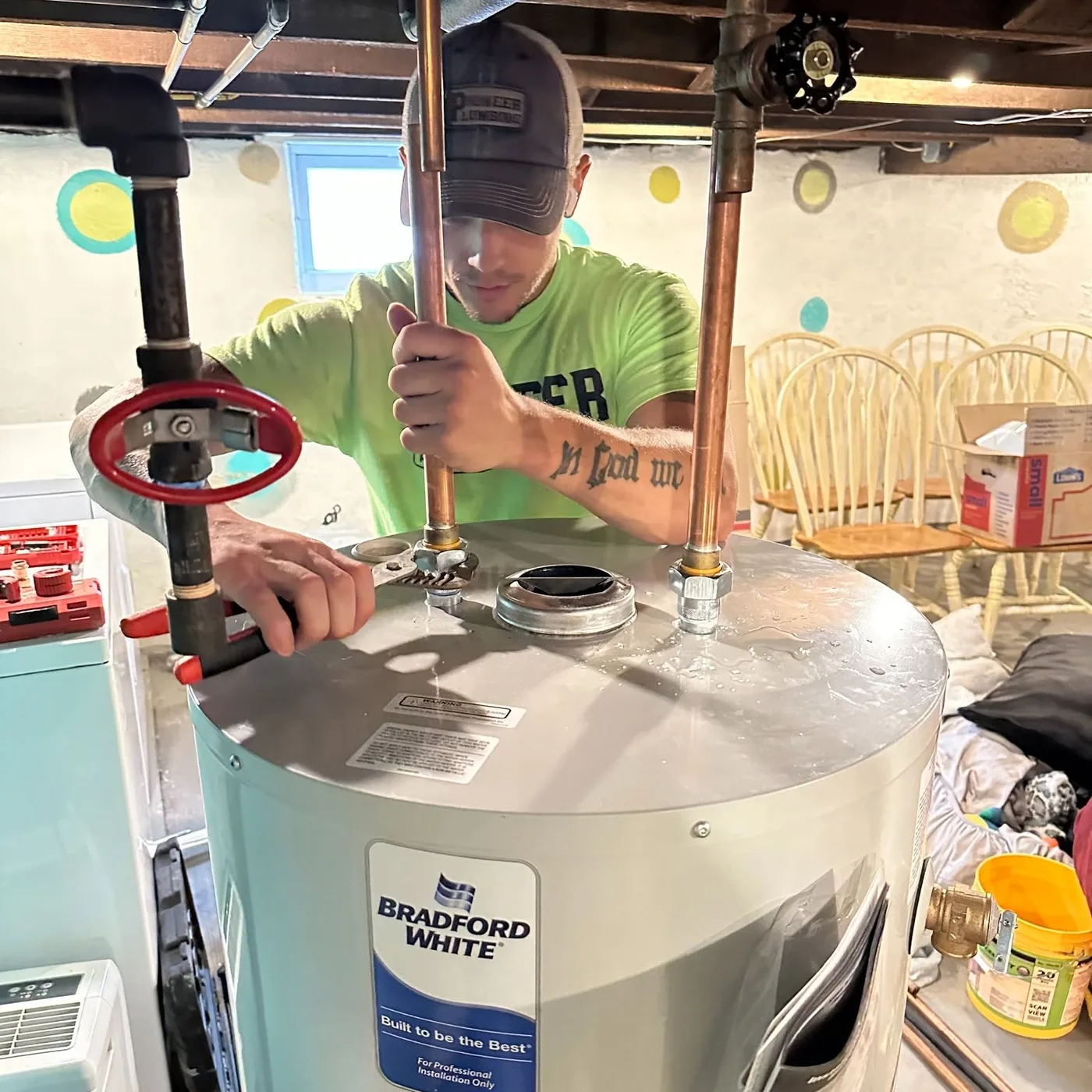
A closer look
Connections, controls, pressure protection, and venting are reviewed in the context of the equipment and property.
Relief discharge, shutoffs, pressure control, drain-pan placement where applicable, combustion air, and venting help manage heat, water, pressure, and exhaust risks.
Correct connections, fuel or electrical supply, venting, temperature settings, capacity, and expansion control help the selected unit work as intended.
Accessible controls, valves, drainage, and clear equipment connections help maintenance and replacement; required permits or inspections vary by jurisdiction and scope.
What to expect
Share the fuel or power type, heater age, capacity, symptoms, leakage, error codes, and photos of the tank or unit.
Pioneer can assess the failed component, tank condition, venting, drainage, pressure control, shutoffs, and whether repair or replacement is the safer value.
Plan the water-heater visit
Provide the address, equipment type and age, symptoms, photos, access, and desired timing so Pioneer can discuss diagnosis and current scheduling.
Thermal expansion guidance: American Water Thermal Expansion Guidance
FAQ
No. Pioneer evaluates the failed part, tank condition, safety, and practical repair cost before recommending replacement.
Urgent scheduling may be available. Call with the symptoms and property details so Pioneer can confirm current timing and options.
In a closed plumbing system, it provides a place for heated water to expand and helps manage pressure. Selection and setup depend on the system.
Share the property, symptoms, and timing. Pioneer will explain what to do next and discuss current scheduling.