Make the scene safe first
Leave immediately, avoid ignition sources, and call 911 and the gas utility from a safe location before anyone searches for the source or operates equipment.
Pioneer Plumbing Restoration
What Pioneer handles
Pioneer Plumbing Restoration handles customer-owned gas line repair and installation through a Master Plumber-led team serving St. Louis and Metro East. Gas work requires careful diagnosis, proper sizing, and the credential applicable to the jurisdiction. Call (314) 568-7718 or (618) 567-9126.
Repair before replacement
If there is an active gas odor, leave immediately and call 911 and the gas utility from a safe location. After the scene is safe, Pioneer can evaluate customer-owned piping. Its condition, location, sizing, and test results determine whether a focused repair is appropriate.
A closer look
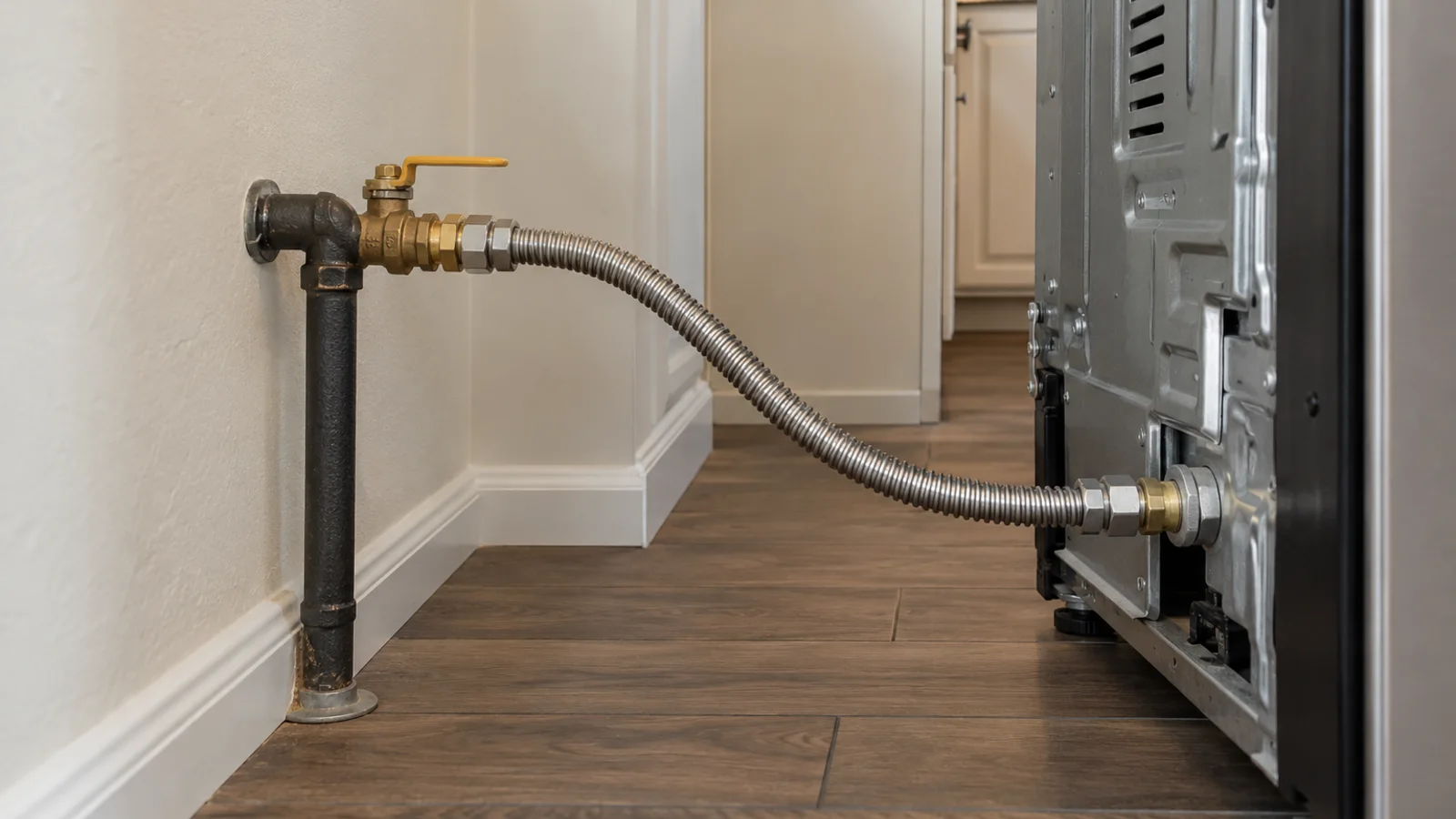
Appliance connections need the right shutoff, connector, sizing, protection, and clearances for the specific installation.
Leave immediately, avoid ignition sources, and call 911 and the gas utility from a safe location before anyone searches for the source or operates equipment.
A connection or accessible damaged section may support a focused repair after the appropriate safe diagnostic process.
Undersized, inaccessible, extensively corroded, or repeatedly failing piping may need a broader approved scope.
Warranty coverage
Pioneer warranties the plumbing work it performs. The exact written term depends on the repair, installation, and equipment involved, so the coverage that applies is confirmed for the approved job.
Any coverage applies only to the gas-line work listed in the approved scope.
Ask which workmanship, material, or connection terms apply to the gas-line scope, how long they last, and what exclusions apply.
Keep the approved gas-line scope and any written warranty or equipment documents for reference.
What Pioneer checks
A closer look
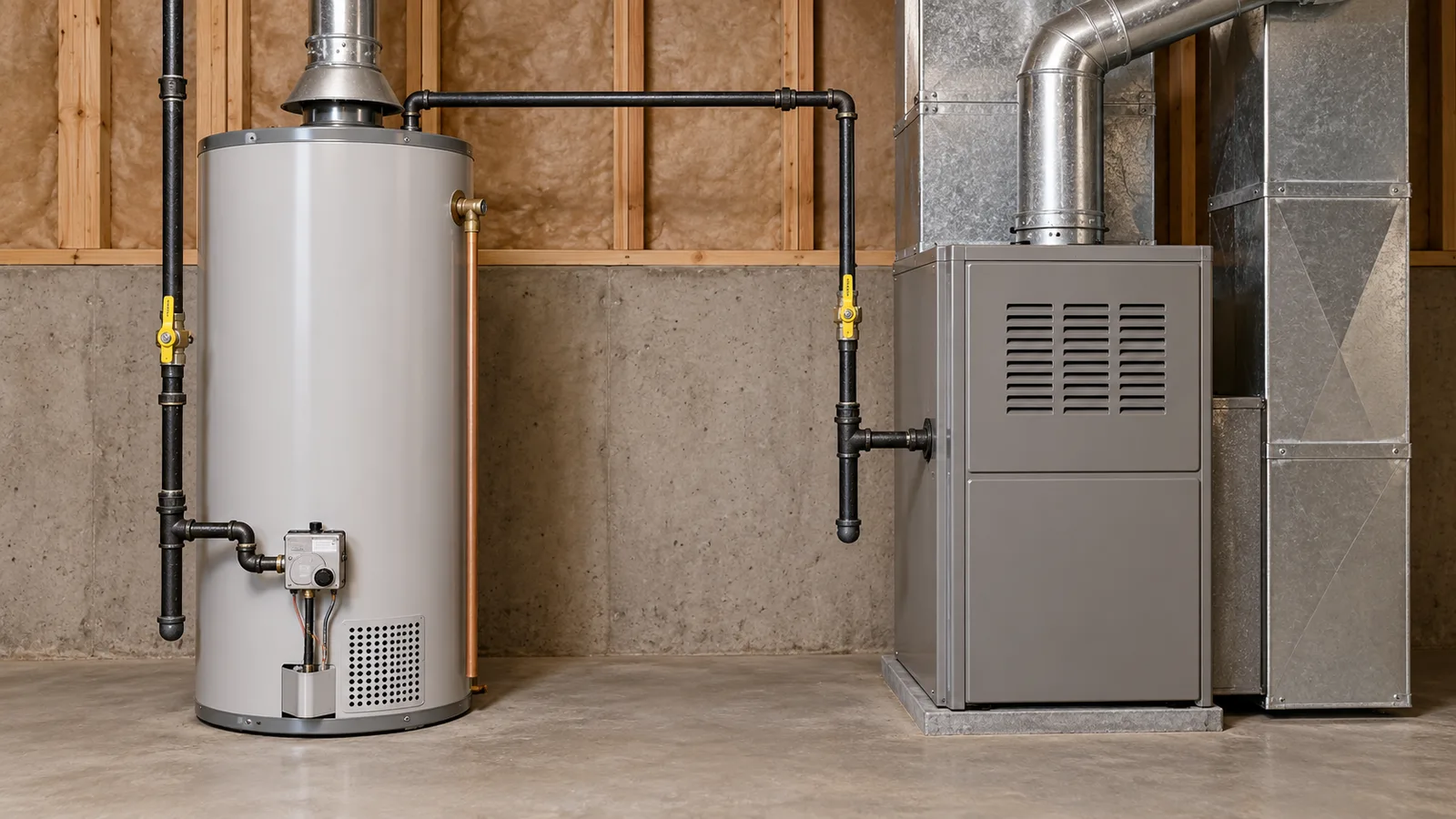
Water heaters and furnaces depend on properly sized piping and coordinated combustion-air and venting details.
Suspected leaks, appliance changeouts that need new runs, stub-outs for ranges and water heaters, and repairs after other trades damage a line all deserve licensed attention. If you smell gas, leave immediately, avoid ignition sources, and call 911 and the gas utility from a safe location. Contact Pioneer about customer-owned line work after the scene is safe.
Gas work is not a DIY project. Greg Muehlfeld holds an Illinois plumber license and St. Louis City and County Master Plumber licenses. Pioneer confirms the permit, pressure-test, and inspection steps that apply to the specific scope and jurisdiction.
Water heater swaps, remodel rough-ins, and commercial kitchen changes often need gas and drain work together. Pioneer coordinates the plumbing scope for both.
Pioneer can review customer-owned gas piping for appliance connections, repair needs, new runs, and line sizing. Natural-gas service and diagnostic options are confirmed for the specific property, jurisdiction, and schedule. Propane line work may be available, subject to the property, appliance, permits, and local requirements.
Ranges, dryers, water heaters, furnaces, and other fuel-burning equipment can require distinct shutoffs, connectors, sizing, venting coordination, and clearances. The exact plumbing scope is confirmed before work is scheduled.
Leak-detection and pressure-testing options for customer-owned piping may be available after emergency officials or the utility have made an active gas-odor scene safe. Pioneer then confirms the appropriate licensed next step.
Why code matters
Gas piping must be matched to the equipment and property because leaks, poor combustion, and inadequate supply create serious risk. The required permit, test, and inspection steps depend on the work and jurisdiction.
A closer look
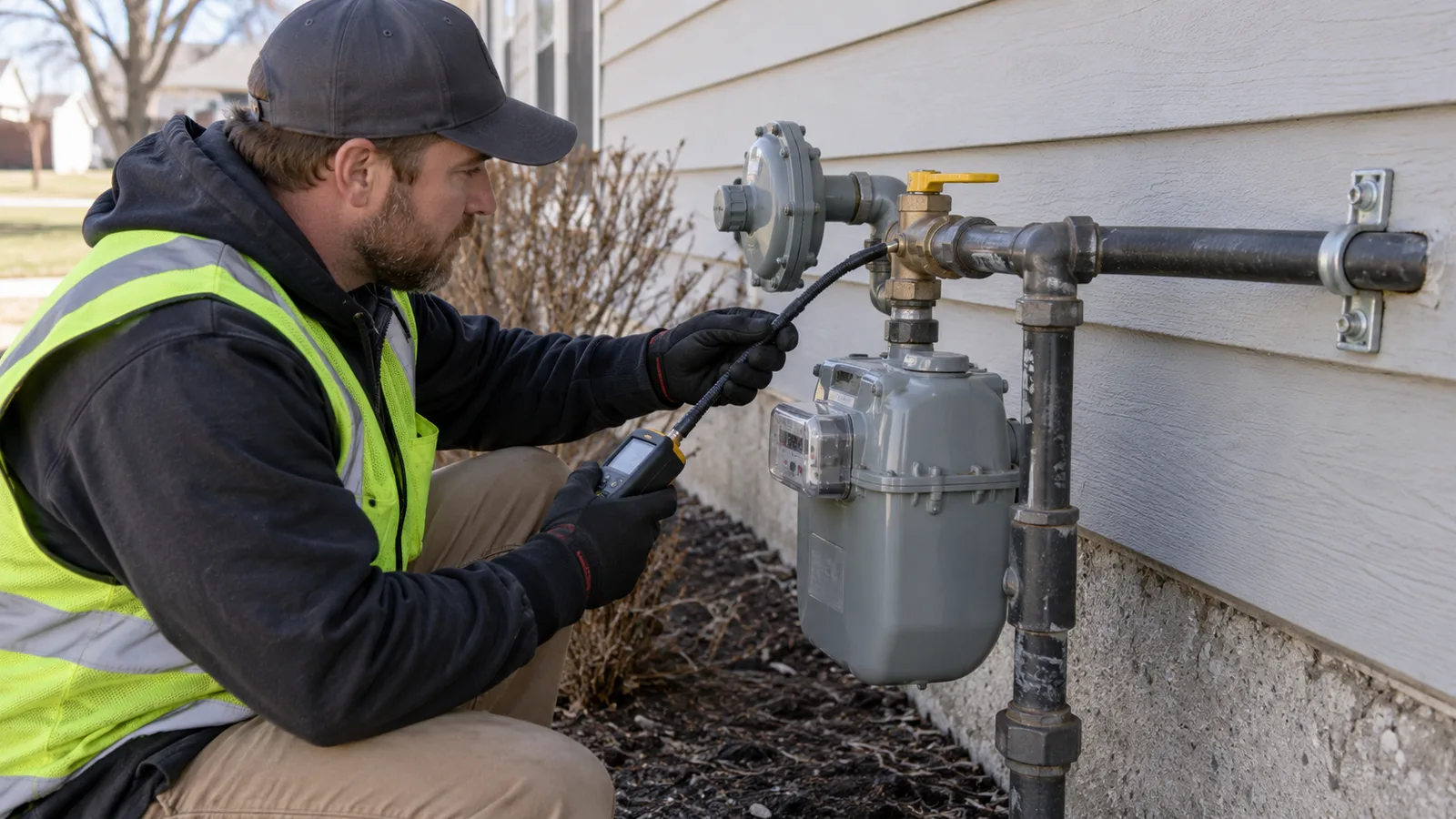
A residential meter, shutoff, regulator, supported piping, and the route into the home all provide context for licensed diagnosis and testing.
Approved pipe, fittings, shutoffs, connectors, protection, and project-specific testing help reduce leak and ignition hazards.
Line sizing, pressure, appliance demand, combustion air, clearances, and venting coordination help fuel-burning equipment operate as designed.
Accessible shutoffs, identifiable routing, and any required inspection record help technicians service or change equipment later.
Gas odor safety
Safety guidance: Ameren Natural Gas Safety · Spire Emergency Guidance · U.S. DOT PHMSA Leak Response
What to expect
For non-emergency work, or after everyone is outside an active odor area, share the appliance or piping involved, service status, access, and any utility or inspection information. Pioneer can discuss customer-owned piping within its scope.
Before authorizing repair or installation, confirm routing, pressure testing, appliance demand, shutoffs, permits, inspections, and the approved scope.
Coverage and credentials
Pioneer serves St. Louis-area Missouri communities and Metro East Illinois for gas-line service. Call with the property address to confirm coverage and scheduling.
Verify credentials: Illinois Department of Public Health Plumbing Program · St. Louis County licensed master plumbers · City of St. Louis Board of Examiners
FAQ
Yes. Pioneer Plumbing Restoration performs customer-owned gas line repair and installation in its St. Louis and Metro East service area, subject to the property, scope, and applicable local requirements.
Leave the building immediately, avoid switches, phones, vehicles, flames, and other ignition sources near the suspected leak, then call 911 and the gas utility from a safe location. After emergency officials or the utility make the scene safe, call Pioneer for licensed customer-owned line work.
Yes. Pioneer sizes and installs runs for ranges, dryers, water heaters, and other appliances, with permits and testing as required.
Immediate gas-odor safety comes first: leave and call 911 and the gas utility from a safe location. After the scene is safe, call either Pioneer number to discuss licensed customer-owned line repair and current availability.
Master Plumber-led team for St. Louis and Metro East. Call anytime to confirm current emergency availability.