Restore flow first
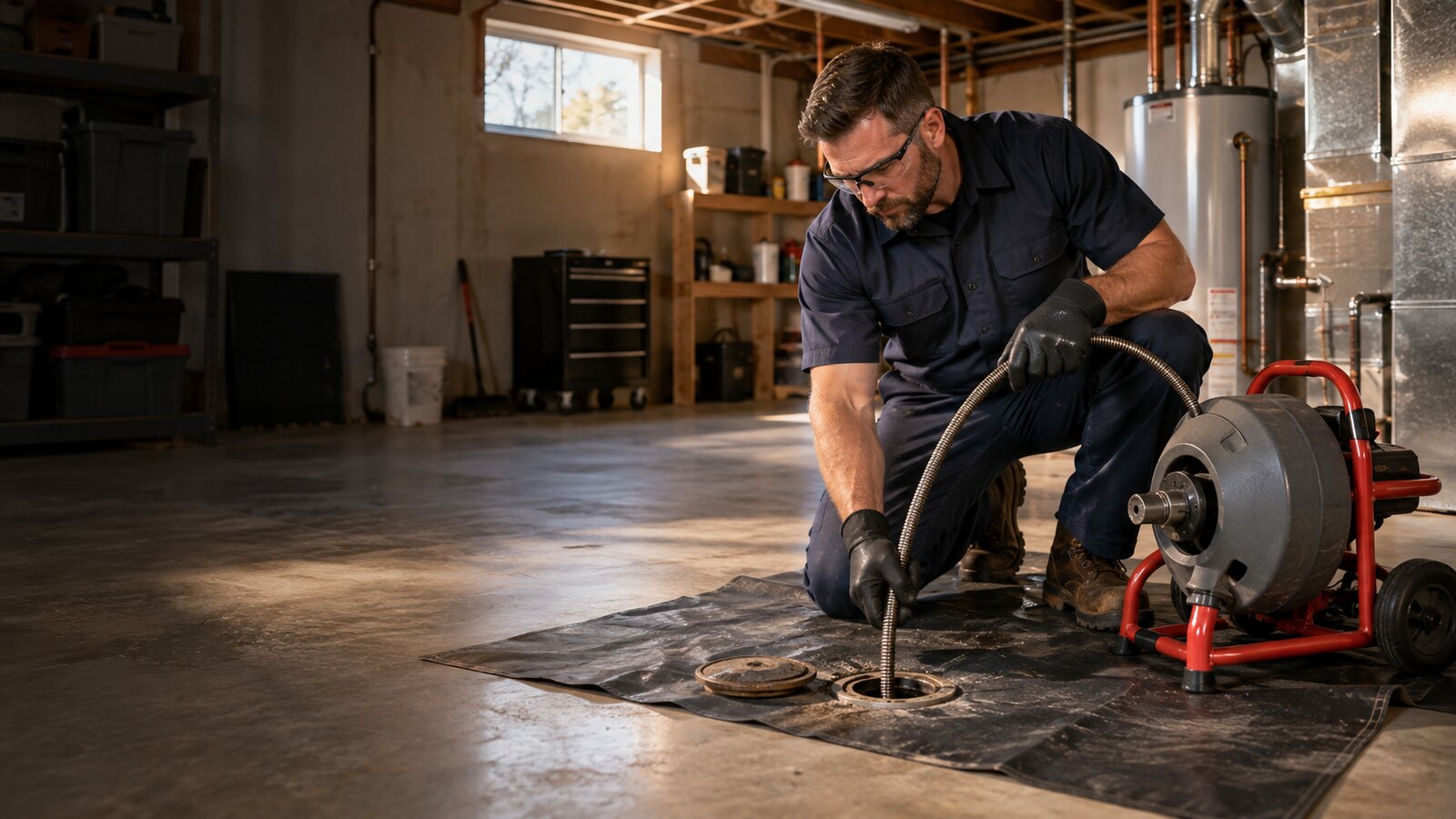
A cable, flex-shaft, chain knocker, or controlled jet may clear a sound line without changing the piping.
Pioneer Plumbing Restoration
What Pioneer handles
Pioneer Plumbing Restoration clears residential branch and main-line blockages with the tool that fits the pipe: a cable or flex-shaft for mechanical cleaning, a compact jetter for suitable buildup, and a camera when the line needs a condition check. Master Plumber-led; call (314) 568-7718 or (618) 567-9126.
Repair before replacement
Pioneer starts by matching the least disruptive useful method to the blockage and the condition of the line. Replacement becomes the conversation only when cleaning and camera evidence point to a structural failure.
A closer look
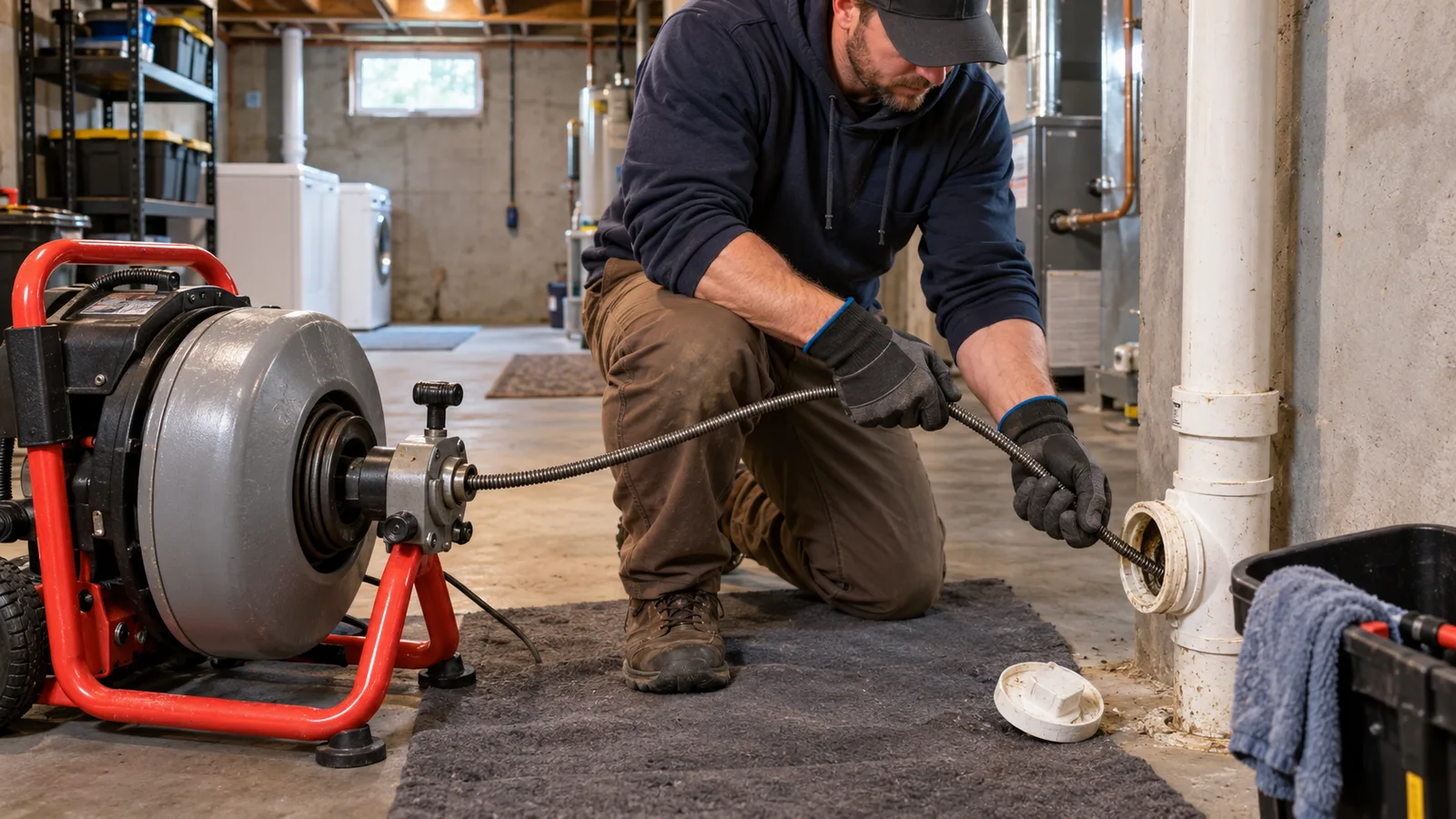
A cable machine provides mechanical cleaning through an accessible drain or cleanout. Cable size and attachment are selected for the line and blockage.
A cable, flex-shaft, chain knocker, or controlled jet may clear a sound line without changing the piping.
Recurring clogs or several affected fixtures can justify a camera view after the line is open enough to inspect.
Offsets, collapse, severe root entry, or failed material can make a targeted repair or replacement more durable than repeated cleaning.
Warranty coverage
Pioneer warranties the plumbing work it performs. The exact written term depends on the repair, installation, and equipment involved, so the coverage that applies is confirmed for the approved job.
Any coverage applies only to the drain-cleaning work listed in the approved scope.
Ask what workmanship terms apply to the drain-cleaning service, how long they last, and what exclusions apply.
Keep the approved drain-cleaning scope and any written warranty documents for reference.
What Pioneer checks
A closer look
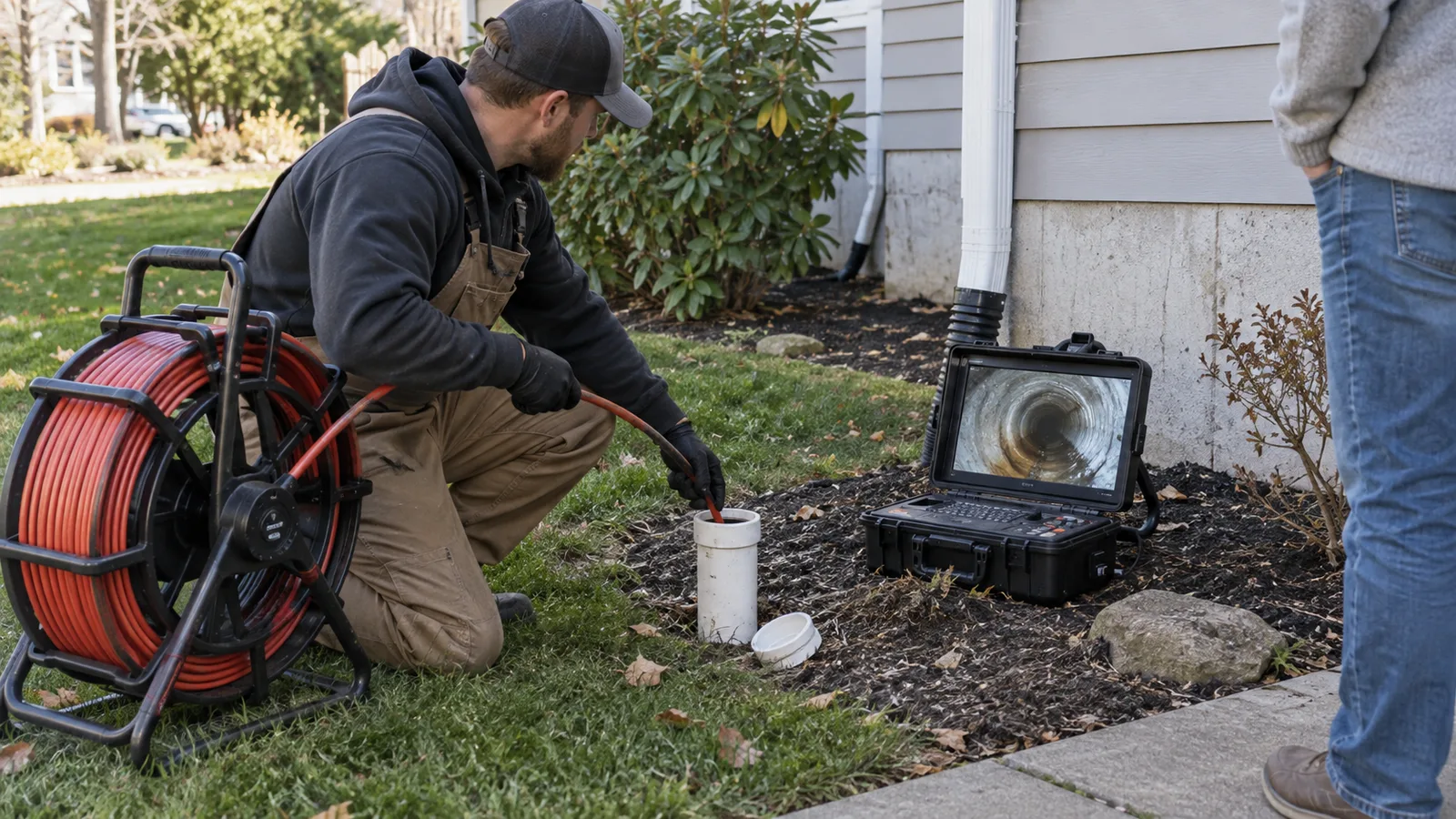
When the symptoms or history call for it, camera footage can reveal remaining buildup, roots, offsets, breaks, or other structural conditions.
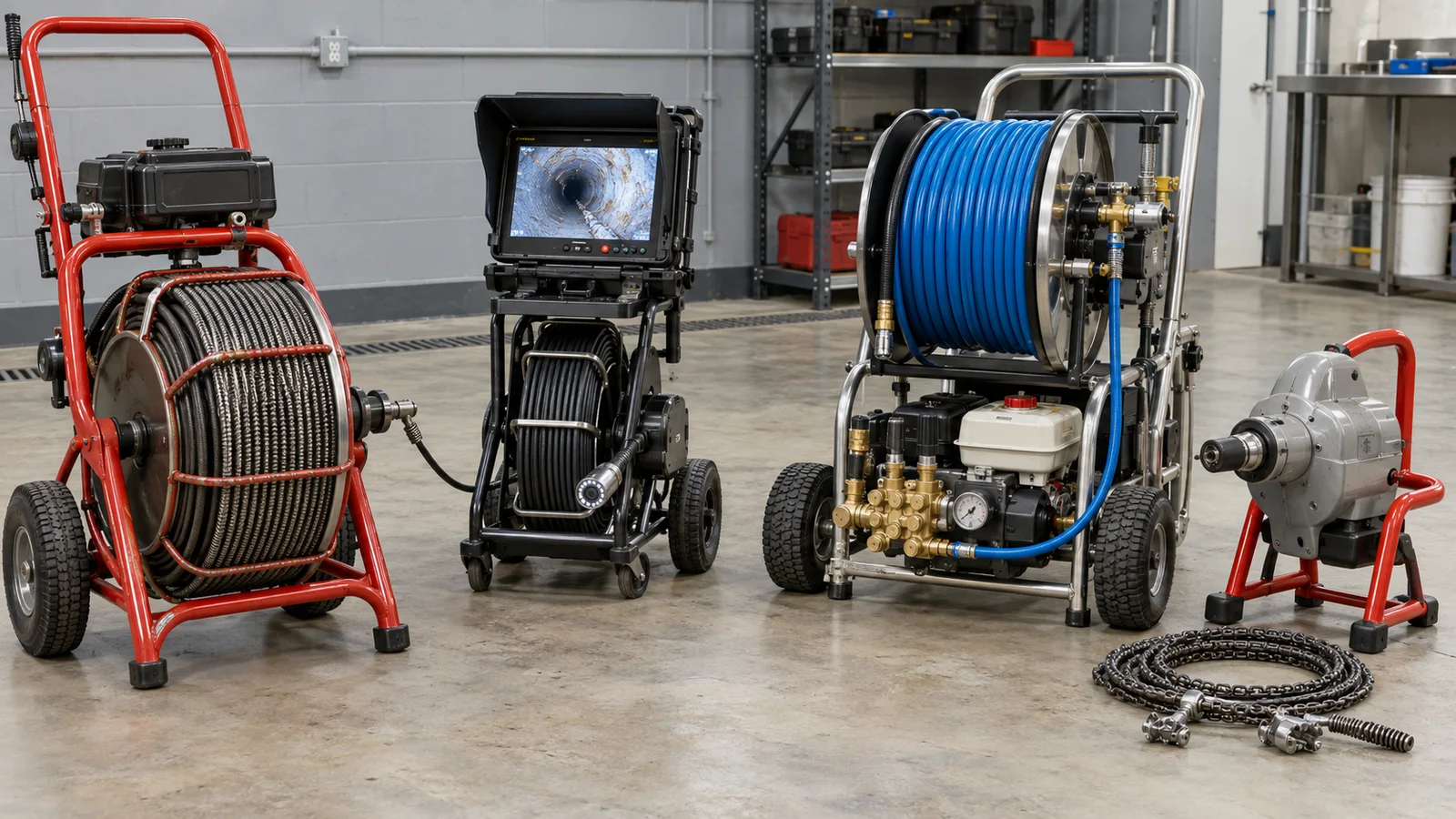
A drum cable machine feeds a rotating steel cable through a cleanout or drain to open the blockage and scrape deposits from the pipe wall. Smaller equipment can serve branch and kitchen lines, while larger cable and jetting equipment can address suitable main lines.
Buildup can hide cracks, offsets, roots, or failed material. Once the line is open enough to see, a camera can show the condition of the pipe and help separate a cleaning problem from a structural repair.
Pipe material, condition, access, and the type of buildup determine the tool. A cable or chain-style cleaning tool may be gentler on a questionable line, while controlled jetting can scour grease, scale, and root fibers from structurally serviceable pipe.
Why code matters
Cleaning and camera diagnosis do not by themselves alter the plumbing system. If the findings lead to a changed drain, cleanout, vent, or connection, the approved repair should protect the property and preserve dependable flow.
A closer look
Cables, cameras, flex-shaft tools, and jetting equipment solve different problems. Pipe material, blockage, access, and condition determine the next step.
A method suited to the pipe condition reduces the chance of damaging fragile material; alteration requirements apply when piping is repaired or changed.
When a repair is needed, pipe size, slope, venting, fittings, and support help waste move without creating another chronic restriction.
Accessible cleanouts and a clear repair record make future cleaning or inspection easier; permits or inspections are confirmed only when the scope and jurisdiction require them.
Choose by condition
Drain cleaning focuses on restoring flow. If the symptoms or repeat history point deeper, the next step may be a camera inspection rather than another pass with the same tool.
Start with which fixtures are affected, whether the problem repeats, where access is available, and what material may be in the line.
A cable, flex-shaft, chain knocker, or jet may be selected according to pipe material, condition, blockage, and access. Fragile or failed pipe can rule out an aggressive method.
Once the line provides a useful view, camera findings help distinguish remaining buildup from offsets, roots, collapse, or other structural concerns.
The result may be no further work, additional cleaning, a targeted repair, or a sewer-service discussion. No single tool or sequence fits every line.
What to expect
Share which fixtures are affected, whether the blockage is partial or complete, how often it returns, prior cleaning, and available cleanout access. Pioneer can select an appropriate first method for the line.
After flow is restored, the result and repeat history help determine whether camera inspection, additional cleaning, or a sewer discussion is warranted.
Coverage and credentials
Pioneer serves St. Louis-area Missouri communities and Metro East Illinois for drain cleaning. Call with the property address to confirm coverage and scheduling.
Local sewer information: Metropolitan St. Louis Sewer District · Illinois Department of Public Health Plumbing Program
FAQ
Pioneer uses symptoms, cleaning results, and available camera findings to distinguish a blockage from structural failure. If repair or replacement is recommended, ask to review the evidence and project-specific estimate before authorizing excavation.
Yes, when symptoms point to a main problem or the clog returns. Camera diagnosis is how Pioneer decides between cleaning and replacement.
Same-day service depends on current scheduling, location, access, and the condition of the line. For an emergency, call anytime to confirm current emergency availability at (314) 568-7718 or (618) 567-9126.
When access and line conditions allow, Pioneer Plumbing Restoration uses camera findings to support a sewer-replacement recommendation and reviews the visible evidence with the customer.
Master Plumber-led team for St. Louis and Metro East. Call anytime to confirm current emergency availability.