
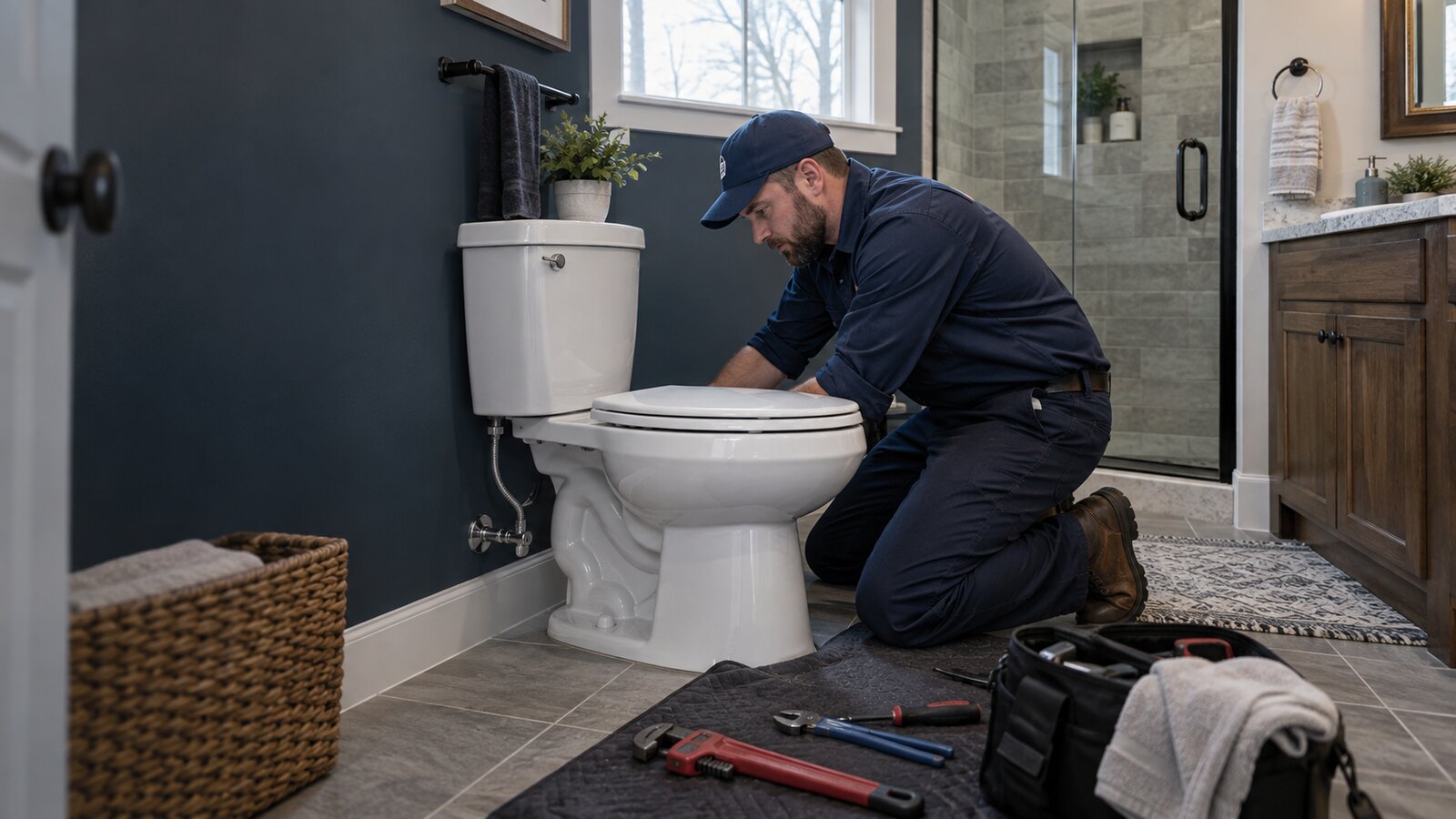
Start at the fixture
Toilet parts, faucet components, supplies, shutoffs, traps, and accessible seals may solve a local problem.
Pioneer Plumbing Restoration
What Pioneer handles
Pioneer works on visible fixtures and can also handle in-wall water lines, drains, vents, stacks, and rough-ins when the job requires access. Requirements depend on the project and jurisdiction.
Repair before replacement
Pioneer traces the symptom from the visible fixture to the relevant supply, drain, vent, or stack. A focused repair is considered before a larger opening or remodel when the surrounding system remains sound.
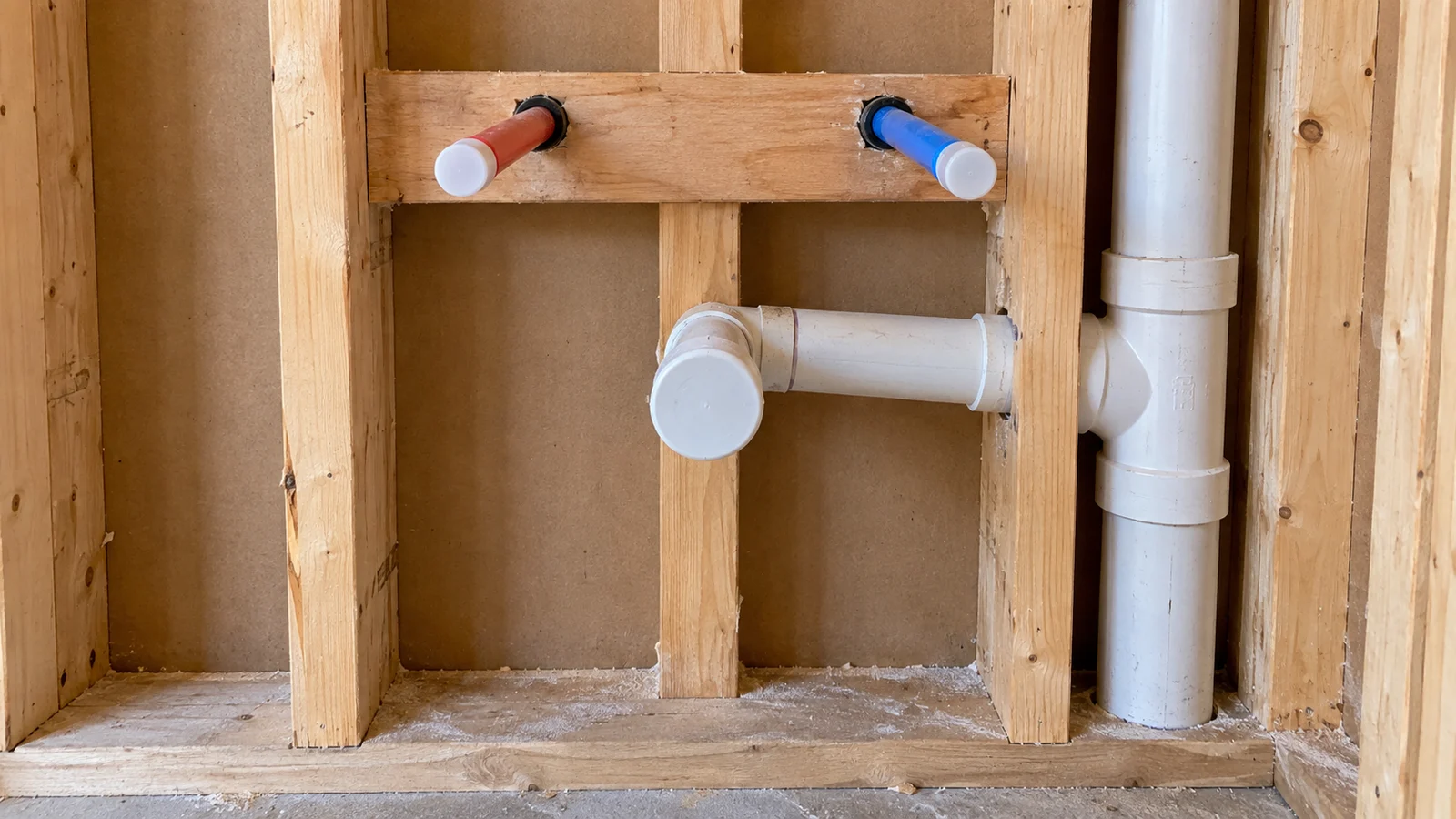
A closer look
Supply, drain, vent, and stack placement all affect how the bathroom performs once the walls are closed.
Toilet parts, faucet components, supplies, shutoffs, traps, and accessible seals may solve a local problem.
A leaking or poorly draining branch may need targeted access when the fixture itself is not the source.
Deteriorated piping, poor layout, repeated failures, or a planned renovation can justify a broader replacement scope.
Warranty coverage
Pioneer warranties the plumbing work it performs. The exact written term depends on the repair, installation, and equipment involved, so the coverage that applies is confirmed for the approved job.
Any coverage applies only to the bathroom plumbing work listed in the approved scope.
Ask which workmanship, fixture, or material terms apply to the bathroom scope, how long they last, and what exclusions apply.
Keep the approved bathroom plumbing scope and any written warranty or fixture documents for reference.
What Pioneer checks
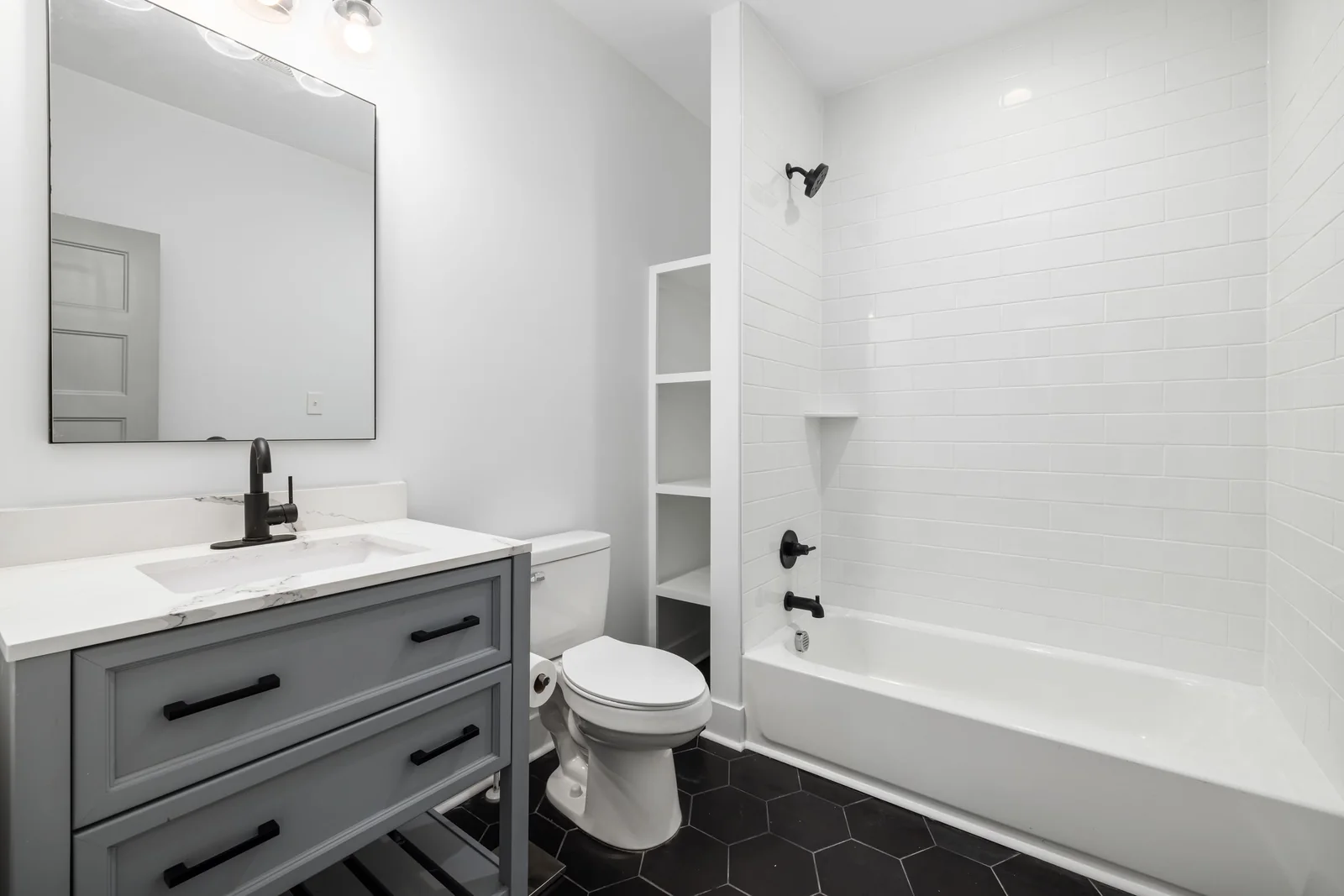
A closer look
Every finished fixture depends on sound plumbing behind the walls, below the floor, and inside the cabinet.
Supply lines, shutoffs, traps, branches, vents, and stacks all affect how a bathroom performs. A visible drip or slow drain can begin at the fixture or point to work behind the wall or below the floor.
Depending on access and project needs, Pioneer may evaluate toilets, tubs, showers, sinks, faucets, drains, shutoffs, in-wall water lines, stacks, and plumbing rough-ins.
Vent, support, protection, pressure-control, and water-hammer requirements can vary by fixture, project, and jurisdiction. Any required permits or inspections are confirmed for the actual scope.
Pioneer handles the plumbing scope. Bathroom exhaust-fan and window work should be coordinated with the appropriate trade.
Why code matters
Bathrooms place water supply, drainage, venting, and finished surfaces close together. Applicable requirements depend on the fixture, alteration, access, and jurisdiction.
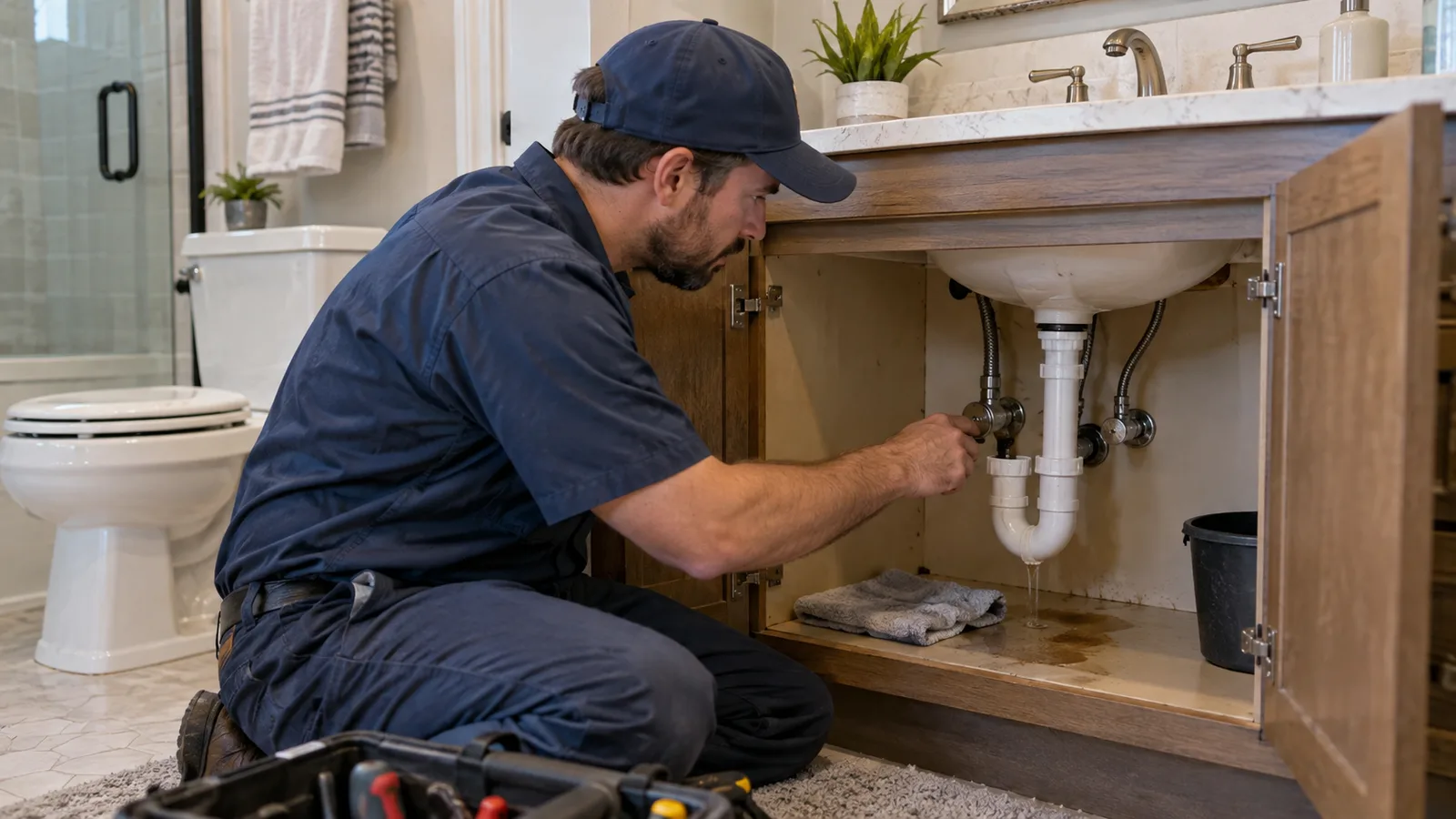
A closer look
Fixture symptoms can begin at the visible component or point to a supply, drain, vent, or stack that needs further diagnosis.
Sound waterproof connections, accessible shutoffs, pressure and temperature controls where applicable, and protected piping help reduce leaks, scalding risk, and hidden damage.
Drain sizing, trap and vent relationships, supply capacity, support, and fixture clearances help the bathroom operate without siphoning or chronic backups.
Serviceable valves, traps, and cleanouts plus documented in-wall routing make future work easier; any required permit or inspection is confirmed for the actual project.
What to expect
Share the affected fixture, leak or drainage symptom, access to in-wall piping, and any planned layout change.
Pioneer can assess supply, drain, vent, stack, and rough-in conditions; fan, window, tile, and cabinet work remain separate.
Plan the bathroom visit
Provide the address, affected fixtures, symptoms, wall or floor access, photos, and desired timing so Pioneer can discuss the next visit.
FAQ
Yes. Pioneer can work on in-wall water lines, drains, vents, and stacks when access and project conditions allow. The scope is confirmed before work begins.
No. Pioneer handles plumbing scope, not exhaust-fan or window installation.
Yes. Requirements depend on the project and jurisdiction, so they are confirmed for the actual bathroom plumbing scope.
Share the property, symptoms, and timing. Pioneer will explain what to do next and discuss current scheduling.